Liver Disease Treatment : Causes, Symptoms, Diagnosis and Treatment Options
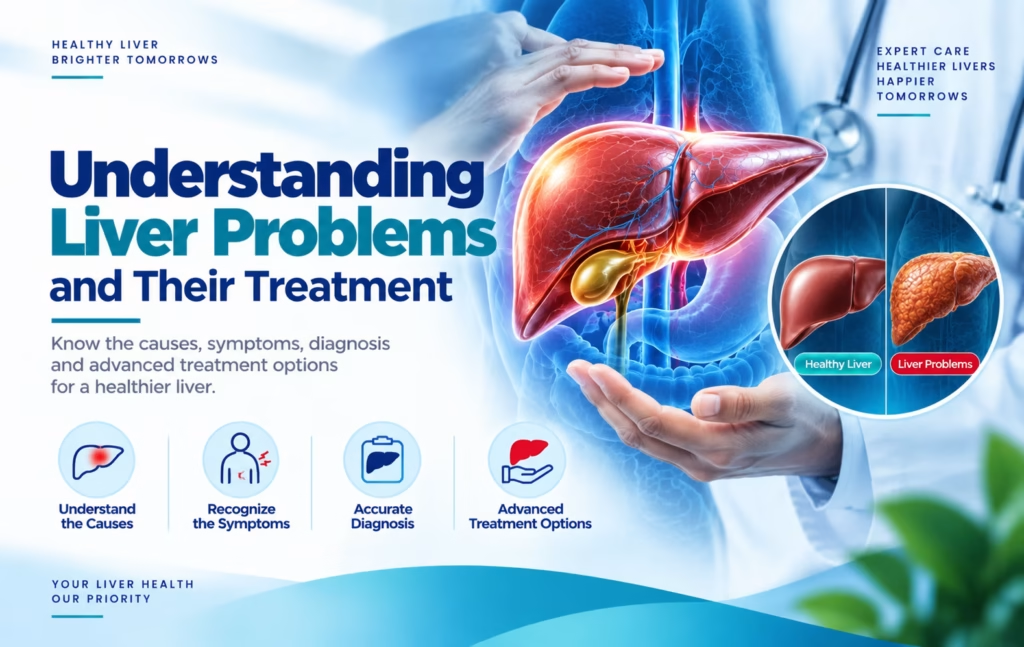
The liver performs several essential functions, including processing nutrients, removing waste products, producing important proteins and supporting digestion. When the liver becomes damaged or inflamed, its ability to perform these functions can gradually decline.
Liver disease can range from relatively mild conditions such as fatty liver to more serious problems including hepatitis, cirrhosis and liver failure. Early diagnosis and appropriate treatment can help manage many liver conditions and, in some cases, prevent further damage. For patients seeking Liver Disease Treatment in Guwahati, consultation with an experienced gastroenterologist or hepatology specialist is an important first step.
Meet Hayat Hospital's Gastroenterology Specialists

Dr. Mayank Agarwal
(MBBS, MD, DM) (Gastroenterology) GOLD MEDALIST
Chief Gastroenterologist, Department of Gastroenterology

Dr. Antara Sen
MBBS, MD (Medicine), DM (Gastroenterology)
Consultant Gastroenterologist, Department of Gastroenterology
Dr. Mayank Agarwal is a gastroenterologist at Hayat Hospital who provides specialist evaluation and management of digestive and liver-related conditions. Patients with abnormal liver function tests, fatty liver, hepatitis, jaundice or other liver concerns can undergo appropriate assessment to determine the cause and severity of the condition.
Dr. Antara Sen is a gastroenterologist at Hayat Hospital. Patients with suspected liver disease may require a detailed clinical assessment, laboratory investigations and imaging to identify the underlying condition and develop an appropriate treatment plan.
What Is Liver Disease?
Liver disease refers to a broad group of conditions that affect the structure or functioning of the liver. Some conditions develop gradually over years, while others may occur suddenly due to infections, medications, toxins or other causes.
Common liver conditions include fatty liver disease, viral hepatitis, alcoholic liver disease, autoimmune liver disorders, liver fibrosis, cirrhosis and certain liver tumours. The appropriate treatment depends on the underlying cause and the extent of liver damage.
Common Causes of Liver Disease
Liver disease can develop due to several different factors. Some of the common causes include:
- Excess fat accumulation in the liver
- Long-term alcohol consumption
- Hepatitis B and hepatitis C infections
- Certain medicines or toxins
- Obesity and metabolic disorders
- Diabetes and insulin resistance
- Autoimmune diseases
- Genetic or inherited liver disorders
- Certain infections and other medical conditions
Identifying the underlying cause is essential because treatment for one type of liver disease may be very different from another.
Symptoms of Liver Disease You Should Not Ignore
Some liver diseases, particularly in their early stages, may not cause obvious symptoms. As liver damage progresses, patients may develop:
- Persistent tiredness or weakness
- Loss of appetite
- Nausea or vomiting
- Abdominal discomfort, especially in the upper-right abdomen
- Yellowing of the eyes or skin
- Dark-coloured urine
- Pale or unusually light-coloured stools
- Persistent itching
- Swelling of the legs or abdomen
- Unexplained weight loss
Symptoms such as jaundice, abdominal swelling, vomiting blood, confusion or severe weakness require prompt medical evaluation.
Fatty Liver Disease and Its Treatment
Fatty liver occurs when excess fat accumulates in the liver. It is commonly associated with obesity, diabetes, high cholesterol and other metabolic risk factors. Alcohol consumption can also contribute to liver fat accumulation.
Treatment depends on the underlying cause and severity. Lifestyle changes such as gradual weight management, regular physical activity, healthy eating and appropriate control of diabetes and cholesterol can be important components of care. Patients should follow a personalised plan recommended by their doctor rather than adopting extreme diets or unverified supplements.
How Is Liver Disease Diagnosed?
A gastroenterologist may begin with a detailed medical history and physical examination. Blood tests can help assess liver function and identify certain infections or other abnormalities.
Depending on the patient’s symptoms and initial test results, additional investigations may include:
- Liver function tests
- Complete blood count
- Viral hepatitis testing
- Blood sugar and lipid profile
- Abdominal ultrasound
- FibroScan or other liver stiffness assessment
- CT or MRI when required
- Endoscopy for selected complications
- Liver biopsy in specific cases
Early assessment can help determine whether liver damage is mild, progressive or associated with complications.
Liver Disease Treatment in Guwahati: What Treatment May Involve
There is no single treatment for every liver disease. Treatment is directed at the underlying cause and the stage of liver damage.
Depending on the diagnosis, treatment may involve antiviral medicines for certain viral infections, lifestyle modification for fatty liver, medicines for autoimmune or inflammatory conditions, management of complications of cirrhosis and treatment of associated conditions such as diabetes or high cholesterol.
Patients with advanced liver disease may require specialised management and, in selected cases, evaluation for liver transplantation. Regular follow-up is important to monitor liver function and detect complications early.
Alcohol and Liver Health
Long-term excessive alcohol consumption can cause progressive liver damage. Alcohol-related liver disease can range from fatty liver to alcoholic hepatitis and cirrhosis.
Patients with alcohol-related liver problems should discuss alcohol cessation with their doctor. Depending on the severity of alcohol use and the patient’s health, medical support may be appropriate when stopping alcohol to ensure it is done safely.
Cirrhosis and Advanced Liver Disease
Cirrhosis occurs when long-term liver injury leads to significant scarring and changes in the normal structure of the liver. Causes can include chronic viral hepatitis, alcohol-related liver disease, metabolic liver disease and other chronic conditions.
Patients with cirrhosis may require regular monitoring for complications such as fluid accumulation in the abdomen, gastrointestinal bleeding, infections, liver cancer and changes in mental function. Specialist follow-up is important to manage these risks and determine appropriate treatment.
When Should You See a Liver Specialist?
You should consider consulting a gastroenterologist if you have persistently abnormal liver function tests, unexplained jaundice, fatty liver detected on an ultrasound, recurrent abdominal discomfort or a history of hepatitis or significant alcohol use.
Patients with diabetes, obesity or other metabolic risk factors may also benefit from appropriate liver evaluation, particularly if liver enzymes or imaging results are abnormal. Early specialist consultation can help identify liver disease before significant complications develop.
FAQ (Frequently Asked Questions)
Jaundice, abdominal swelling, vomiting blood, black stools, severe confusion, significant drowsiness and sudden worsening weakness require urgent medical assessment.
A gastroenterologist or hepatologist is generally involved in diagnosing and treating liver diseases. Other specialists may be involved depending on the underlying cause and complications.
Liver function tests, hepatitis testing, ultrasound and other imaging studies are commonly used. FibroScan, CT, MRI or liver biopsy may be recommended in selected patients.
Patients looking for Liver Disease Treatment in Guwahati can consult the gastroenterology specialists at Hayat Hospital, including Dr. Mayank Agarwal and Dr. Antara Sen, for evaluation and personalised treatment.
In many patients, especially when identified early, improvement in liver fat and liver health may be possible through appropriate weight management, physical activity, dietary changes and control of associated metabolic conditions.