
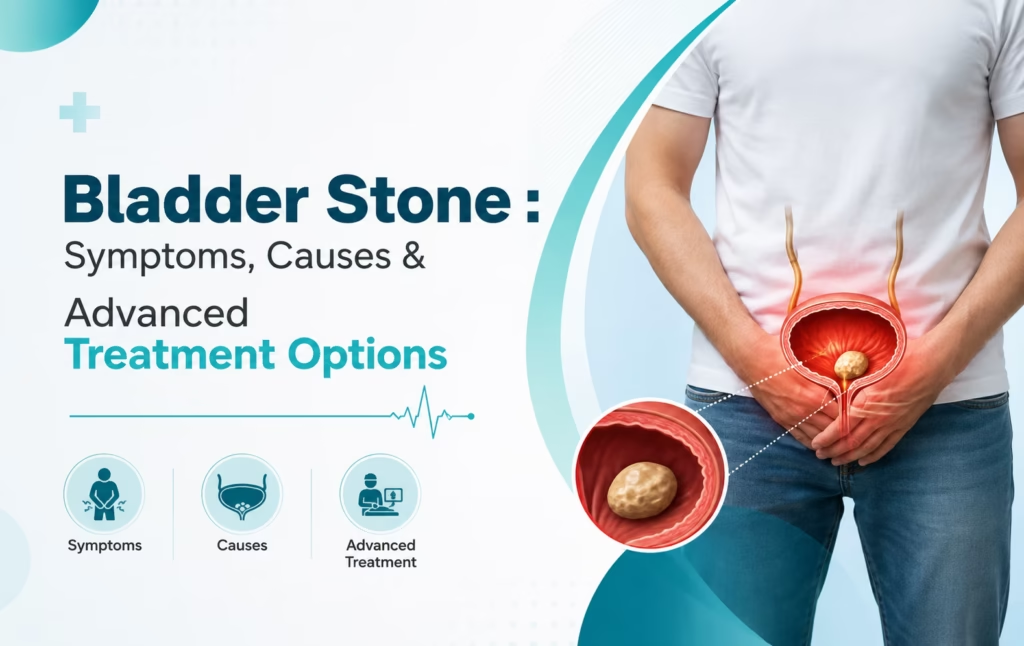
1. What Are Bladder Stones?
Bladder stones are hard mineral deposits that form inside the urinary bladder when urine remains in the bladder for a prolonged period and becomes concentrated. These stones can vary in size and may cause pain, difficulty urinating, blood in the urine, and recurrent urinary infections. While small stones may occasionally pass on their own, larger bladder stones usually require medical treatment to prevent complications.
Patients seeking Bladder Stone Treatment in Guwahati can receive comprehensive evaluation and advanced urological care at Hayat Hospital, where modern diagnostic facilities and experienced urologists provide personalized treatment for bladder stones and other urinary tract disorders.
Expert Care by Experienced Urologists at Hayat Hospital

Dr. Dipankar Sarma
MBBS, DNB (General Surgery), DrNB Urology
Dept Of Urology

Dr. Hiralal Adhikari
MBBS, MS (Surgery), M.Ch (Urology & Genito Urinary Surgery)
Dept Of Urology
Patients looking for Bladder Stone Treatment in Guwahati receive specialized care from experienced urologists at Hayat Hospital.
Dr. Dipankar Sarma, MBBS, DNB (General Surgery), DrNB (Urology), Department of Urology, specializes in the diagnosis and treatment of bladder stones, kidney stones, prostate disorders, urinary tract infections, urinary obstruction, and advanced endourological procedures. His expertise in minimally invasive urology helps patients achieve faster recovery and excellent outcomes.
Dr. Hiralal Adhikari, MBBS, MS (Surgery), M.Ch (Urology & Genito Urinary Surgery), Department of Urology, has extensive experience in managing complex urinary stone disease, bladder disorders, prostate enlargement, reconstructive urology, and advanced urological surgeries. He focuses on personalized treatment plans and long-term prevention strategies.
What Causes Bladder Stones?
Bladder stones most commonly develop when the bladder does not empty completely, allowing minerals in the urine to crystallize and form stones. Several medical conditions can contribute to this problem.
Common causes include:
- Enlarged prostate (BPH)
- Urinary tract obstruction
- Recurrent urinary tract infections
- Neurogenic bladder (nerve-related bladder dysfunction)
- Bladder diverticulum
- Long-term catheter use
- Kidney stones that migrate into the bladder
- Incomplete bladder emptying
Identifying and treating the underlying cause is essential to prevent recurrence.
Symptoms You Should Never Ignore
Bladder stones can cause a variety of urinary symptoms that may worsen over time if left untreated. Some patients may initially experience mild discomfort, while others develop severe urinary problems.
Common symptoms include:
- Pain or burning during urination
- Frequent urination
- Difficulty passing urine
- Interrupted urine flow
- Lower abdominal pain
- Blood in the urine (Hematuria)
- Cloudy or dark-colored urine
- Recurrent urinary tract infections
- Sudden urge to urinate
Persistent urinary symptoms should always be evaluated by a urologist.
How Are Bladder Stones Diagnosed?
Accurate diagnosis helps determine the size, location, and cause of the bladder stone. At Hayat Hospital, advanced diagnostic investigations help urologists develop the most effective treatment plan.
Diagnostic tests may include:
- Urine examination
- Blood tests
- Ultrasound of the urinary tract
- X-ray KUB
- CT Scan
- Cystoscopy
These tests help identify associated conditions such as enlarged prostate, urinary obstruction, or recurrent infections.
Advanced Bladder Stone Treatment in Guwahati
The treatment approach depends on the size of the stone, symptoms, and underlying cause. While very small stones may occasionally pass naturally, most bladder stones require medical intervention. Treatment generally focuses on removing the stone and correcting the condition that caused it.
Treatment options include:
- Medications for associated urinary symptoms
- Endoscopic stone removal (Cystolitholapaxy)
- Laser stone fragmentation
- Minimally invasive urological procedures
- Treatment of enlarged prostate
- Management of urinary tract infections
- Surgical removal for very large stones
Modern minimally invasive techniques allow faster recovery, less discomfort, and shorter hospital stays.
Can Bladder Stones Be Prevented?
Although not all bladder stones can be prevented, certain lifestyle measures can significantly reduce the risk of stone formation and recurrence.
Prevention tips include:
- Drink adequate water daily
- Avoid delaying urination
- Treat urinary infections promptly
- Manage enlarged prostate early
- Follow up regularly if you have urinary retention problems
- Maintain a healthy lifestyle
- Seek treatment for recurrent urinary symptoms
Preventive care plays an important role in maintaining long-term urinary health.
Choose Hayat Hospital for Bladder Stone Treatment in Guwahati
Bladder stones can significantly affect your quality of life and may lead to recurrent infections, urinary blockage, and bladder damage if left untreated. Early diagnosis and appropriate treatment are essential for preventing complications and restoring normal urinary function.
At Hayat Hospital, patients benefit from advanced urology services, modern diagnostic facilities, minimally invasive stone treatment techniques, and comprehensive follow-up care. Under the expert guidance of Dr. Dipankar Sarma and Dr. Hiralal Adhikari, patients receive personalized Bladder Stone Treatment in Guwahati with a focus on safety, faster recovery, and long-term urinary health.
FAQ (Frequently Asked Questions)
Common symptoms include painful urination, frequent urination, blood in the urine, lower abdominal pain, interrupted urine flow, and recurrent urinary infections.
Very small bladder stones may pass naturally, but larger stones usually require medical treatment or minimally invasive procedures for removal.
Most bladder stones are removed using endoscopic or laser-based procedures. Large stones may occasionally require surgical removal.
Patients can receive advanced Bladder Stone Treatment in Guwahati at Hayat Hospital under the expert care of Dr. Dipankar Sarma (MBBS, DNB, DrNB Urology) and Dr. Hiralal Adhikari (MBBS, MS, M.Ch Urology & Genito Urinary Surgery), with access to modern diagnostics and minimally invasive urological procedures.