What is a Hernia?
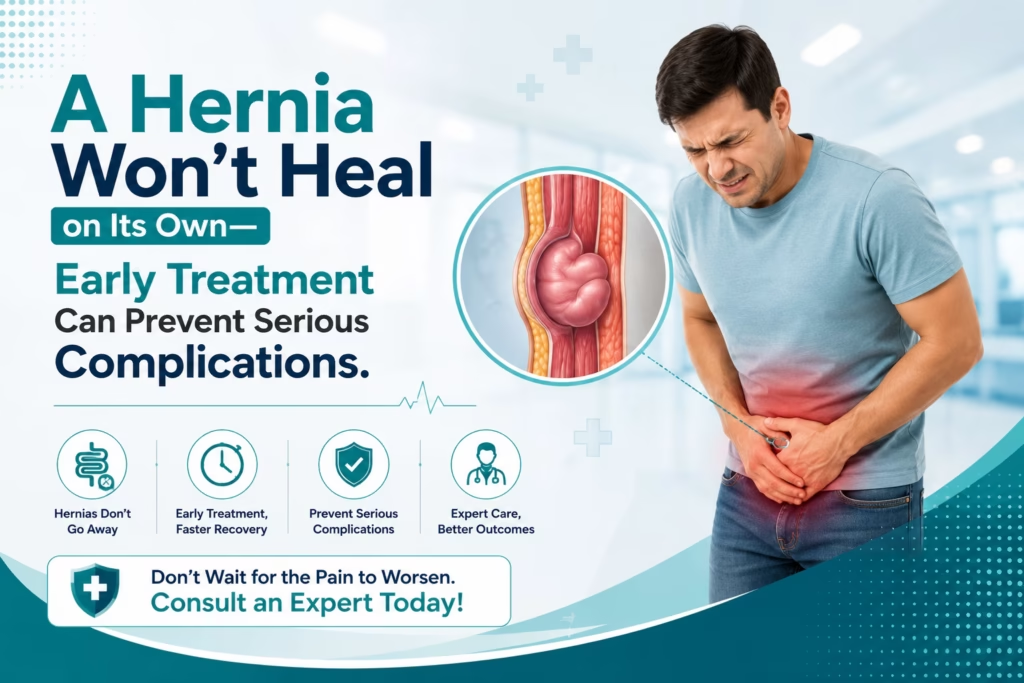
A hernia occurs when an internal organ or fatty tissue pushes through a weak area in the surrounding muscle or connective tissue. It commonly develops in the abdomen or groin and often appears as a visible lump or swelling that becomes more noticeable while standing, coughing, or lifting heavy objects. Although some hernias may initially be painless, they can gradually enlarge and cause discomfort, affecting daily activities and overall quality of life.
A hernia does not heal on its own and usually requires medical evaluation. Seeking Hernia Treatment in Guwahati at the earliest stage can help prevent complications and ensure timely treatment. At Hayat Hospital, patients receive comprehensive hernia care with advanced diagnostic facilities and modern surgical techniques.
Expert Hernia Care by Dr. Nishit Agarwal
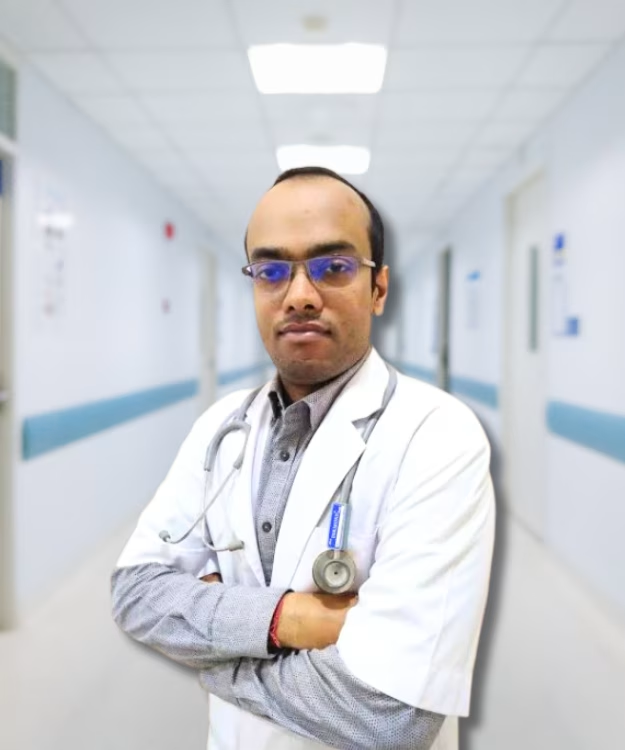
Dr. Nishit Agarwal
MBBS, MS (General Surgery)
Dept Of General Surgery
Successful hernia treatment depends on accurate diagnosis, appropriate surgical planning, and experienced surgical expertise. At Hayat Hospital, patients receive specialized care from Dr. Nishit Agarwal, MBBS, MS (General Surgery), General Surgeon, who has extensive experience in the diagnosis and management of various abdominal wall hernias.
Dr. Nishit Agarwal specializes in both conventional and minimally invasive laparoscopic hernia repair, providing personalized treatment plans tailored to each patient’s condition. His patient-centered approach focuses on reducing postoperative discomfort, minimizing recovery time, and helping patients return safely to their normal daily activities.
Patients seeking Hernia Treatment in Guwahati can rely on his expertise and the advanced surgical facilities available at Hayat Hospital.
Common Types of Hernias
There are several types of hernias depending on where they occur in the body. Identifying the type of hernia helps determine the most appropriate treatment approach.
The most common types include:
- Inguinal Hernia – Occurs in the groin and is the most common type, especially in men.
- Femoral Hernia – More commonly seen in women and develops near the upper thigh.
- Umbilical Hernia – Appears around the belly button and may occur in both children and adults.
- Incisional Hernia – Develops at the site of a previous abdominal surgery.
- Hiatal Hernia – Occurs when part of the stomach moves through the diaphragm into the chest cavity.
Each type requires careful evaluation by a general surgeon to determine the best treatment option.
Symptoms You Should Never Ignore
Many people live with a hernia for months or even years without realizing that the condition can worsen over time. While some hernias remain painless initially, they often become more noticeable and uncomfortable as they enlarge.
Common symptoms include:
- A visible lump or bulge in the abdomen or groin
- Pain or discomfort while lifting heavy objects
- Swelling that increases on coughing or standing
- Burning or aching sensation around the lump
- Feeling of heaviness or pressure in the abdomen
- Groin pain during physical activity
- Nausea or vomiting (in severe cases)
If the hernia becomes trapped (incarcerated) or loses its blood supply (strangulated), it becomes a medical emergency requiring immediate surgical treatment.
A hernia develops when there is weakness in the abdominal wall combined with increased pressure inside the abdomen. While some people are born with weak muscles, others develop hernias later in life due to strain or injury.
Common risk factors include:
- Heavy lifting
- Chronic constipation
- Persistent coughing
- Obesity
- Pregnancy
- Previous abdominal surgery
- Aging
- Family history of hernia
- Smoking
Maintaining a healthy lifestyle and seeking early medical advice when symptoms appear can help reduce the risk of complications.
Hernia Treatment in Guwahati at Hayat Hospital
Delaying treatment after a sports injury can increase the risk of chronic pain, joint instability, cartilage damage, muscle weakness, and early arthritis. Many injuries that initially appear minor may become more complicated if not managed appropriately.
Prompt medical attention allows doctors to begin treatment before the injury worsens, resulting in faster recovery and better long-term outcomes. Early rehabilitation also helps athletes regain strength, flexibility, and confidence before returning to their sport.
Why Early Hernia Surgery is Important?
Many people postpone hernia surgery because the symptoms seem manageable. However, delaying treatment may increase the size of the hernia and the risk of complications such as bowel obstruction, incarceration, or strangulation, which may require emergency surgery.
Early surgical repair is generally safer, less complicated, and associated with better long-term outcomes. Timely treatment also allows patients to recover more quickly and return to work and everyday activities with greater confidence.
If you notice a persistent lump or swelling, do not ignore it. Early Hernia Treatment in Guwahati can help prevent serious health complications.
Choose Hayat Hospital for Hernia Treatment in Guwahati
A hernia is a common but treatable condition that should never be ignored. With modern surgical techniques and experienced surgeons, patients can achieve excellent outcomes with minimal discomfort and faster recovery.
At Hayat Hospital, we provide comprehensive Hernia Treatment in Guwahati through advanced diagnostics, state-of-the-art operation theatres, minimally invasive surgical techniques, and compassionate postoperative care. Under the expert guidance of Dr. Nishit Agarwal, patients receive safe, effective, and personalized treatment for all types of hernias, helping them return to a healthy and active life.
FAQ (Frequently Asked Questions)
No. A hernia does not heal on its own. Surgery is the only definitive treatment to repair the weakened abdominal wall.
Common symptoms include a visible lump or swelling, pain while lifting or coughing, heaviness in the abdomen, and discomfort during physical activity.
Yes. Laparoscopic hernia repair is a safe and effective minimally invasive procedure that usually results in less pain, smaller scars, faster recovery, and a shorter hospital stay.
Hayat Hospital offers advanced Hernia Treatment in Guwahati under the expert care of Dr. Nishit Agarwal (MBBS, MS – General Surgery), using modern open and laparoscopic surgical techniques for safe and effective recovery.