From Diagnosis to Recovery - Understanding Thoracic Surgery and Treatment Options
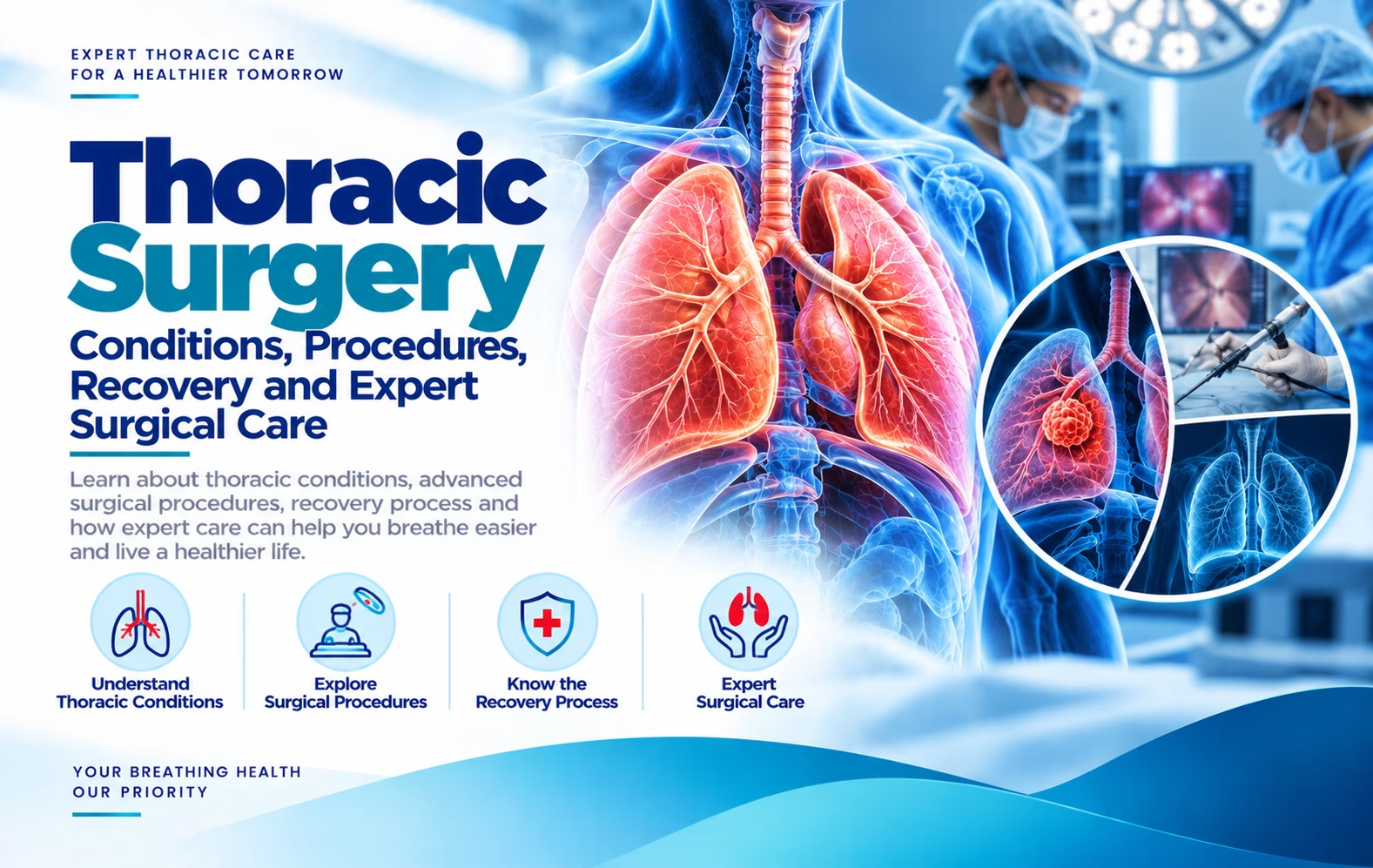
Thoracic surgery is a specialized field of surgery focused on diseases and conditions affecting structures within the chest, including the lungs, pleura, oesophagus, mediastinum and chest wall. Depending on the underlying condition, treatment may involve medicines and observation, minimally invasive procedures or major surgery.
Patients looking for Thoracic Surgery in Guwahati may require specialist evaluation for conditions such as lung tumours, pleural diseases, complicated chest infections, mediastinal masses, chest trauma and certain oesophageal disorders.
The decision to perform surgery depends on the patient’s diagnosis, symptoms, imaging findings, overall health and response to other treatments. At Hayat Hospital, thoracic surgical care is available through the Cardiothoracic & Vascular Surgery (CTVS) Department, where patients can receive evaluation and individualized treatment planning.
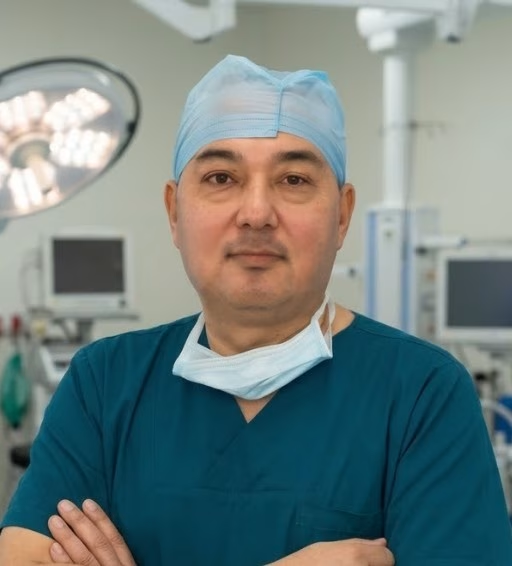
Dr. Suraj Kumar Pradahan
Director, CTVS Department
MBBS, MS (General Surgery), Mch. (Cardiac Surgery)
Chief Cardiac Surgeon, Hayat Superspeciality Hospital
Patients searching for the Best Thoracic Surgeon Doctors in Guwahati should consider the surgeon’s qualifications, relevant surgical expertise, experience with the specific condition, hospital infrastructure and availability of multidisciplinary support.
At Hayat Hospital, thoracic surgical care is provided through the Cardiothoracic & Vascular Surgery (CTVS) Department. Dr. Suraj Kumar Pradhan is the Director of the CTVS Department at Hayat Hospital. His surgical expertise includes cardiothoracic and vascular procedures, with thoracic and chest surgery listed among his areas of surgical expertise. Hayat Hospital also lists his experience in minimally invasive cardiac surgery, valve surgery, CABG, congenital heart surgery and other complex cardiothoracic procedures. Hayat Superspeciality Hospital
For patients requiring thoracic surgery in Guwahati, Dr. Pradhan can evaluate the patient’s condition, review relevant imaging and investigations, and determine whether surgical management is appropriate.
What Is Thoracic Surgery?
Thoracic surgery involves surgical treatment of conditions affecting the organs and structures located inside the chest.
It may involve the:
- Lungs
- Pleura
- Oesophagus
- Mediastinum
- Chest wall
- Diaphragm
- Certain conditions involving the airway
Thoracic surgery may be required for both cancerous and non-cancerous conditions. Some procedures are performed to remove abnormal tissue, while others may be required to treat infection, drain collections, repair injuries or improve the function of affected organs.
Conditions That May Require Thoracic Surgery
Not every lung or chest condition requires surgery. A specialist first determines the cause and severity of the condition before recommending an appropriate treatment.
Lung Cancer and Lung Tumours
Some lung cancers and localized lung tumours may be treated surgically. Depending on the location and size of the tumour, the surgeon may remove a portion of the lung or, when necessary, a larger section.
Surgery may be combined with other treatments such as chemotherapy, radiation therapy or targeted treatment depending on the type and stage of the disease.
Pleural Diseases
The pleura are thin layers of tissue surrounding the lungs. Diseases affecting the pleura can result in fluid accumulation, infection, thickening or restriction of normal lung expansion.
Certain pleural conditions may require surgical drainage or removal of abnormal tissue.
Empyema
Empyema refers to an infected collection of fluid in the pleural space. Treatment may initially involve antibiotics and drainage. However, when infection persists or the lung cannot expand adequately, surgical treatment may be required.
Mediastinal Tumours
The mediastinum is the central region of the chest located between the lungs. Tumours and other masses can develop in this area.
Depending on the size, location and nature of the mass, surgical removal may be recommended.
Complicated Lung Infections
Some severe or complicated lung infections may require surgical intervention when antibiotics and drainage alone are not sufficient.
Chest Trauma
Severe chest injuries can damage the lungs, ribs, blood vessels and other structures. Selected traumatic injuries may require emergency or planned thoracic surgery to repair damage or control bleeding.
Oesophageal Conditions
Certain tumours, structural abnormalities and other serious oesophageal conditions may require surgical evaluation and treatment. The appropriate procedure depends on the underlying diagnosis.
Common Thoracic Surgery Procedures
The surgical technique depends on the condition being treated, its location and the patient’s overall health.
Lobectomy
A lobectomy involves removing one lobe of the lung. It may be recommended for selected patients with localized lung cancer or certain other lung conditions.
Pneumonectomy
Pneumonectomy involves removing an entire lung. It is a major operation and is considered only when the disease cannot be adequately treated by removing a smaller portion of the lung.
Decortication
Decortication involves removing abnormal fibrous tissue from the surface of the lung or pleura. It may be considered in selected patients with chronic pleural infection or other conditions that prevent normal lung expansion.
Surgery for Mediastinal Masses
Mediastinal masses may require surgical removal depending on their size, location, symptoms and suspected diagnosis.
Oesophageal Surgery
Certain oesophageal diseases and cancers may require surgical treatment. The type of procedure depends on the location and extent of the disease.
Chest Wall Surgery
Surgery may sometimes be required for chest wall tumours, significant deformities or traumatic injuries.
Symptoms That May Require Thoracic Evaluation
Thoracic diseases can present in different ways. Some symptoms that may warrant specialist evaluation include:
- Persistent cough
- Shortness of breath
- Chest pain or discomfort
- Recurrent chest infections
- Coughing up blood
- Persistent fever
- Difficulty swallowing
- Unexplained weight loss
- Recurrent fluid around the lungs
- Breathing difficulty following chest trauma
These symptoms can have several possible causes and do not automatically mean that surgery is necessary. However, persistent or worsening symptoms should be evaluated by a qualified specialist.
How Are Thoracic Conditions Diagnosed?
A proper diagnosis is essential before deciding whether surgery is appropriate.
Depending on the patient’s symptoms, the doctor may recommend:
Chest X-Ray
A chest X-ray can provide an initial assessment of the lungs and chest and may identify infections, fluid collections or certain abnormalities.
CT Scan
A CT scan provides detailed images of the chest and can help assess lung nodules, tumours, lymph nodes, pleural disease and other abnormalities.
Bronchoscopy
Bronchoscopy allows the doctor to examine the airways using a specialized camera. Tissue or fluid samples may also be obtained when required.
Biopsy
If a suspicious mass or lesion is identified, a biopsy may be necessary to determine whether it is cancerous or non-cancerous and to establish the appropriate treatment plan.
Other Investigations
Depending on the condition, additional blood tests, pulmonary function tests, ultrasound, PET-CT or other investigations may be recommended.
When Is Thoracic Surgery Recommended?
Thoracic surgery may be considered when:
- A lung tumour requires surgical removal.
- A complicated chest infection does not respond adequately to other treatment.
- There is persistent or complicated pleural disease.
- A mediastinal mass requires removal.
- Serious chest trauma has damaged internal structures.
- A structural abnormality requires correction.
- A tissue diagnosis requires surgical intervention.
- Non-surgical treatment has not adequately controlled the condition.
Treatment decisions are individualized and may involve a multidisciplinary team of surgeons, pulmonologists, oncologists, radiologists, anaesthesiologists and critical care specialists.
Why Early Evaluation Matters?
Persistent respiratory symptoms should not always be dismissed as a minor chest or seasonal problem.
Symptoms such as persistent cough, coughing up blood, unexplained weight loss, recurrent chest infections or increasing breathlessness may require further investigation.
Early diagnosis can help determine whether the condition can be managed with medicines or other treatments or whether a surgical procedure may be appropriate.
FAQ (Frequently Asked Questions)
A thoracic surgeon treats selected conditions affecting the lungs, pleura, oesophagus, mediastinum, chest wall and other structures within the chest.
No. Thoracic surgery may also be required for complicated infections, empyema, pleural disease, mediastinal masses, certain oesophageal conditions and serious chest injuries.
Dr. Suraj Kumar Pradhan, MBBS, MS, M.Ch (CTVS), Director, CTVS Department, provides cardiothoracic and vascular surgical care, including thoracic and chest surgery. Hayat Hospital’s CTVS team also includes specialized anaesthesia support for major cardiothoracic procedures.
Minimally invasive thoracic surgery uses a camera and specialized instruments through small incisions in the chest. VATS is one such technique and may be appropriate for selected patients.
You should consider specialist evaluation for persistent or unexplained respiratory symptoms, abnormal findings on chest imaging, recurrent chest infections, coughing up blood, certain chest masses or conditions that may require surgical treatment.