
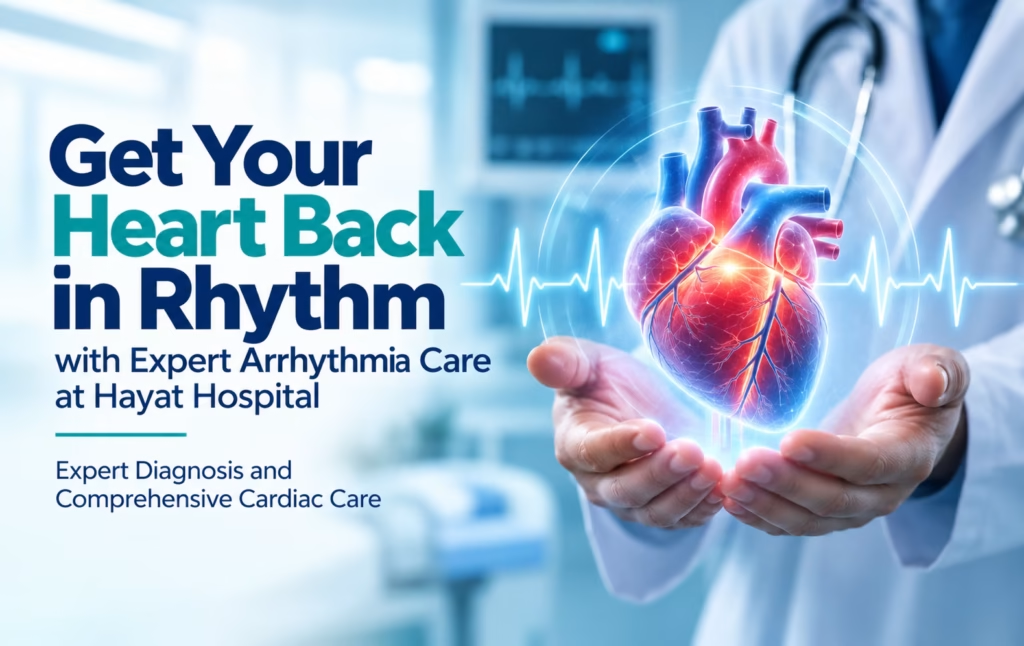
What is Arrhythmia?
The heart is one of the most vital organs in the body, working continuously to pump oxygen-rich blood to every organ and tissue. This process depends on a perfectly coordinated electrical system that controls the heart’s rhythm. When this rhythm becomes abnormal, the condition is known as arrhythmia.
An arrhythmia can cause the heart to beat too fast, too slow, or irregularly. While some rhythm disturbances may be harmless, others can increase the risk of serious complications such as stroke, heart failure, or sudden cardiac arrest. Early diagnosis and timely treatment play a crucial role in preventing these complications and ensuring long-term heart health.
If you are searching for Arrhythmia Treatment in Guwahati, Hayat Heart Centre at Hayat Hospital offers advanced diagnostic facilities, modern treatment options, and specialized cardiac care under the supervision of experienced cardiologists.
Expert Cardiac Care Under Dr. Dipankar Das
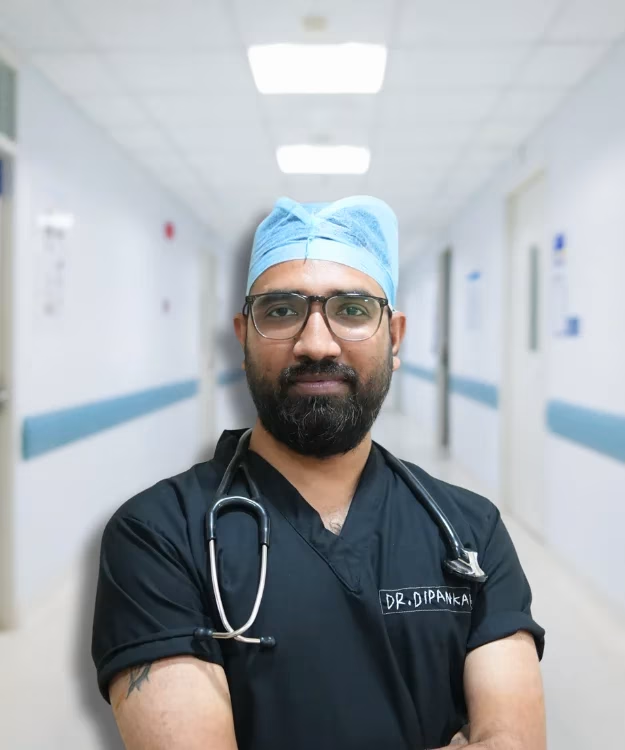
Dr. Dipankar Das
MBBS, MD, DM (CARDIOLOGY)
HOD, Cardiology Department
Patients seeking the Best Doctors For Cardiac Arrhythmias Treatment In Guwahati can benefit from the expertise of Dr. Dipankar Das (MBBS, MD, DM Cardiology), HOD, Cardiology Department at Hayat Hospital.
With extensive experience in diagnosing and managing a wide range of cardiovascular conditions, Dr. Das is recognized for his patient-centered approach and commitment to delivering evidence-based cardiac care. His expertise in advanced cardiac diagnostics and arrhythmia management enables patients to receive comprehensive treatment tailored to their specific condition.
Under his leadership, Hayat Heart Centre continues to provide advanced heart care services using modern technology and internationally accepted treatment protocols.
What Causes Arrhythmia?
Several underlying conditions can interfere with the heart’s electrical system and trigger arrhythmias. Heart-related disorders such as coronary artery disease, heart valve abnormalities, cardiomyopathy, congenital heart defects, and previous heart attacks are among the most common causes.
Certain lifestyle and medical factors may also increase the risk of developing arrhythmias, including:
- High blood pressure
- Diabetes
- Thyroid disorders
- Smoking and tobacco use
- Excessive alcohol consumption
- Obesity
- Chronic stress
- Electrolyte imbalances
- Certain medications
Understanding the root cause of the arrhythmia is essential because treatment strategies often depend on addressing the underlying condition.
Symptoms of Arrhythmia
The symptoms of arrhythmia can vary depending on the type and severity of the condition. Some individuals experience mild symptoms, while others may develop signs that require urgent medical attention.
Common symptoms include:
- Palpitations or fluttering sensation in the chest
- Rapid heartbeat
- Slow heartbeat
- Dizziness or lightheadedness
- Shortness of breath
- Fatigue and weakness
- Chest discomfort
- Fainting or near-fainting episodes
Some patients may not experience any symptoms at all, which is why routine cardiac evaluations are important, especially for individuals with risk factors for heart disease.
Many arrhythmias can go undetected for months or even years because symptoms may occur only occasionally. Unfortunately, untreated arrhythmias can increase the risk of stroke, blood clots, and heart failure.
At Hayat Heart Centre, advanced diagnostic technology helps identify heart rhythm abnormalities accurately and efficiently. Depending on the patient’s condition, diagnostic investigations may include electrocardiography (ECG), Holter monitoring, echocardiography, stress testing, and specialized cardiac assessments.
A thorough evaluation allows cardiologists to determine the exact type of arrhythmia and create a personalized treatment plan that addresses both symptoms and long-term health risks.
Advanced Arrhythmia Treatment in Guwahati at Hayat Heart Centre
Effective treatment begins with understanding the specific nature of the arrhythmia and its impact on the patient’s overall health. At Hayat Heart Centre, treatment plans are tailored to each individual, ensuring the most appropriate and effective care.
For some patients, lifestyle modifications and medical management may be sufficient to control symptoms and restore a healthy heart rhythm. These measures may include dietary improvements, weight management, regular physical activity, stress reduction, and avoidance of smoking and excessive alcohol consumption.
Medications may be prescribed to:
- Control heart rate
- Restore normal heart rhythm
- Prevent blood clot formation
- Reduce the risk of stroke and other complications
For patients with more complex or persistent arrhythmias, advanced cardiac procedures may be recommended. Modern treatment options available at Hayat Heart Centre include catheter ablation, electrical cardioversion, pacemaker implantation, and implantable cardioverter-defibrillator (ICD) therapy.
These advanced interventions have significantly improved outcomes for patients with heart rhythm disorders and can help restore normal cardiac function while improving quality of life.
Why Choose Hayat Heart Centre?
Choosing the right cardiac care centre is an important step in achieving the best treatment outcomes. Hayat Heart Centre combines medical expertise, advanced infrastructure, and compassionate patient care to deliver comprehensive cardiovascular services.
Some of the key advantages include:
- Experienced cardiology specialists
- Advanced cardiac diagnostic facilities
- Personalized treatment plans
- Modern arrhythmia management procedures
- Comprehensive cardiac care under one roof
- Emergency and critical cardiac support
- Patient-focused treatment approach
These strengths have made Hayat Heart Centre a trusted destination for patients seeking specialized cardiac care across Assam and the Northeast region.
When Should You Consult a Cardiologist?
Many people dismiss symptoms such as occasional palpitations or dizziness as stress-related issues. However, these symptoms can sometimes indicate an underlying heart rhythm disorder that requires medical attention.
You should consult a cardiologist if you experience:
- Frequent palpitations
- Irregular or rapid heartbeat
- Recurrent dizziness
- Unexplained fainting
- Shortness of breath
- Chest pain or discomfort
- Family history of heart disease
Seeking medical advice at the earliest stage can help prevent serious complications and ensure timely treatment.
FAQ (Frequently Asked Questions)
Hayat Heart Centre at Hayat Hospital offers advanced Arrhythmia Treatment in Guwahati with expert diagnosis, modern treatment facilities, and comprehensive cardiac care.
Dr. Dipankar Das (MBBS, MD, DM Cardiology), HOD of Cardiology at Hayat Hospital, is among the leading specialists providing treatment for cardiac arrhythmias.
Hayat Heart Centre offers advanced cardiac diagnostics, experienced cardiologists, personalized treatment plans, and comprehensive heart care services under one roof.
Yes. Many patients can be successfully treated with lifestyle changes, medications, and minimally invasive cardiac procedures depending on the type of arrhythmia.
Common symptoms include palpitations, irregular heartbeat, dizziness, fatigue, shortness of breath, chest discomfort, and fainting episodes.


