What is Peripheral Artery Disease (PAD)?
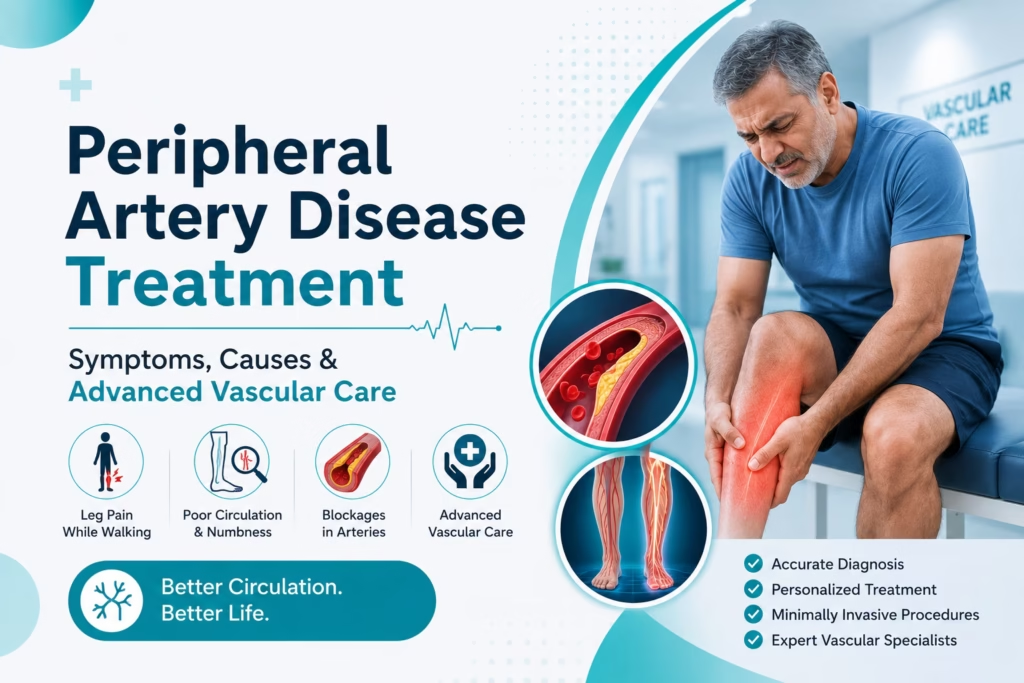
Peripheral Artery Disease (PAD) is a condition in which the arteries supplying blood to the legs, feet, and sometimes the arms become narrowed due to the buildup of fatty deposits (atherosclerosis). Reduced blood flow can cause pain while walking, delayed wound healing, numbness, and, if left untreated, may lead to severe complications such as non-healing ulcers, tissue damage, or even limb loss. Early diagnosis and timely treatment are essential to improve circulation and prevent complications.
Patients looking for Peripheral Artery Disease Treatment in Guwahati can receive comprehensive vascular evaluation and advanced treatment at Hayat Hospital, where experienced vascular specialists provide personalized care using modern diagnostic and surgical techniques.
Expert Care by Vascular Specialist at Hayat Hospital
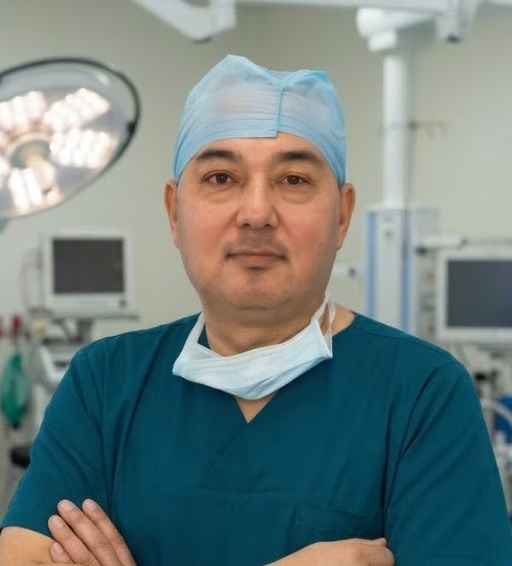
Dr. Suraj Kumar Pradahan
Director, CTVS Department
MBBS, MS (General Surgery), Mch. (Cardiac Surgery)
Chief Cardiac Surgeon, Hayat Superspeciality Hospital
Patients seeking Peripheral Artery Disease Treatment in Guwahati receive specialized care from Dr. Suraj Kumar Pradhan, MBBS, MS, M.Ch (CTVS), Director – Department of Cardiothoracic & Vascular Surgery (CTVS), at Hayat Hospital.
Dr. Suraj Kumar Pradhan has extensive expertise in the diagnosis and treatment of Peripheral Artery Disease (PAD), peripheral vascular disorders, aortic diseases, carotid artery disease, varicose veins, vascular trauma, diabetic foot complications, and complex vascular surgeries. He specializes in advanced vascular procedures, including peripheral angioplasty, vascular bypass surgery, endovascular interventions, and limb-saving treatments, providing comprehensive vascular care with a patient-centred approach.
Patients searching for advanced vascular treatment can trust Dr. Suraj Kumar Pradhan for accurate diagnosis, timely intervention, and personalized care.
What Causes Peripheral Artery Disease?
PAD develops when arteries become narrowed or blocked, reducing blood flow to the limbs. Several medical conditions and lifestyle factors significantly increase the risk of developing this disease.
Common risk factors include:
- Diabetes
- High blood pressure
- High cholesterol
- Smoking and tobacco use
- Obesity
- Increasing age
- Family history of vascular disease
- Chronic kidney disease
- Lack of physical activity
Managing these risk factors plays a major role in preventing disease progression and improving vascular health.
Symptoms You Should Never Ignore
Many people mistake the early symptoms of PAD for muscle fatigue or aging. However, persistent leg discomfort should always be evaluated by a vascular specialist.
Common symptoms include:
- Leg pain while walking (Claudication)
- Cramping in the calf, thigh, or buttock
- Coldness in one leg or foot
- Numbness or weakness
- Slow-healing wounds on the feet or legs
- Skin discoloration
- Hair loss on the legs
- Weak or absent pulses in the feet
- Pain in the legs even while resting (advanced PAD)
Ignoring these symptoms can increase the risk of severe vascular complications.
Symptoms That Should Never Be Ignored
Blocked coronary arteries often develop gradually, and symptoms may worsen as blood flow decreases. Recognizing the warning signs early can prevent life-threatening complications.
Common symptoms include:
- Chest pain or pressure (Angina)
- Shortness of breath
- Pain spreading to the left arm, jaw, shoulder, or back
- Fatigue during physical activity
- Dizziness or fainting
- Irregular heartbeat
- Sweating associated with chest discomfort
If you experience any of these symptoms, immediate consultation with a cardiologist is strongly recommended.
How is Peripheral Artery Disease Diagnosed?
Accurate diagnosis helps determine the severity of arterial blockage and guides the most appropriate treatment plan. At Hayat Hospital, patients benefit from advanced vascular diagnostic services.
Diagnostic investigations may include:
- Clinical vascular examination
- Ankle-Brachial Index (ABI)
- Colour Doppler Ultrasound
- CT Angiography
- MR Angiography
- Digital Subtraction Angiography (DSA)
- Blood investigations
These advanced investigations help detect blocked arteries at an early stage and support timely intervention.
Advanced Peripheral Artery Disease Treatment in Guwahati
Treatment depends on the severity of the disease and the patient’s overall health. Early-stage PAD is often managed with medications and lifestyle changes, while advanced disease may require minimally invasive or surgical procedures.
Treatment options include:
- Medications to improve blood flow
- Blood-thinning medicines
- Cholesterol-lowering therapy
- Diabetes and blood pressure management
- Supervised exercise therapy
- Balloon Angioplasty
- Peripheral Artery Stenting
- Vascular Bypass Surgery
- Wound care for diabetic foot ulcers
- Lifestyle modification and smoking cessation
The goal of treatment is to restore blood circulation, relieve symptoms, preserve limb function, and improve overall quality of life.
Choose Hayat Hospital for Peripheral Artery Disease Treatment in Guwahati
Peripheral Artery Disease is a progressive condition that should never be ignored. Early diagnosis and appropriate treatment can prevent serious complications, improve mobility, and protect limb health.
At Hayat Hospital, patients receive comprehensive Peripheral Artery Disease Treatment in Guwahati through advanced vascular diagnostics, minimally invasive endovascular procedures, vascular surgery, and multidisciplinary care. Under the expert guidance of Dr. Suraj Kumar Pradhan, patients benefit from personalized treatment plans designed to restore healthy blood flow and improve long-term vascular health.