What is a TMT (Stress Test)?
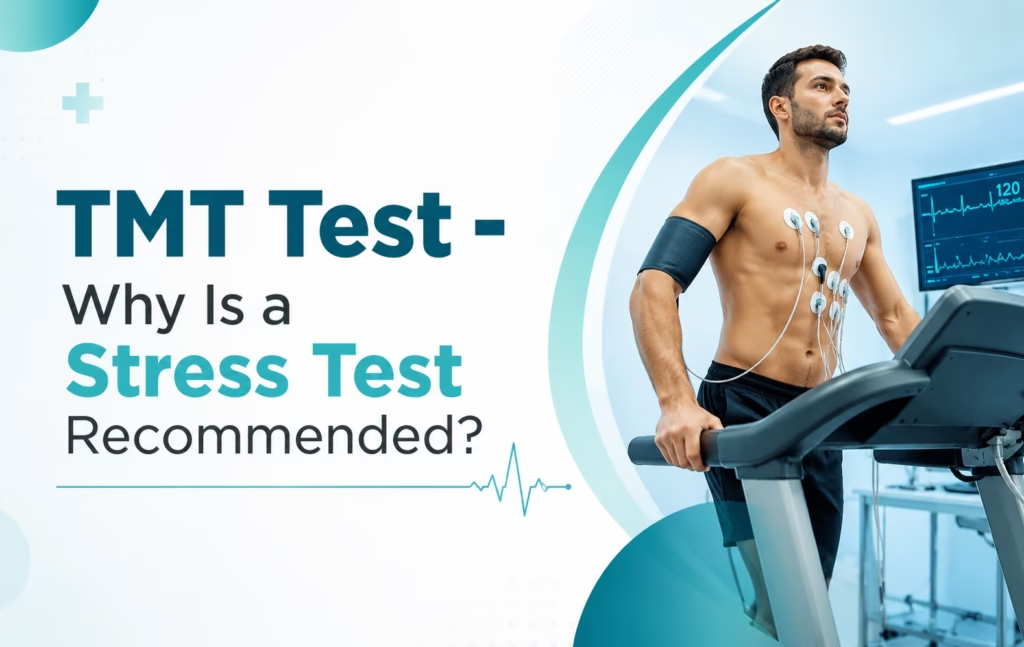
A Treadmill Test (TMT), also known as an Exercise Stress Test, is a non-invasive diagnostic procedure used to evaluate how well your heart performs during physical activity. As your body works harder on a treadmill, your heart requires more oxygen, allowing cardiologists to identify reduced blood flow, irregular heart rhythms, or signs of underlying coronary artery disease that may not be visible when the body is at rest.
Patients looking for a TMT Test in Guwahati can undergo accurate and reliable cardiac evaluation at Hayat Heart Centre, where experienced cardiologists and advanced diagnostic technology help detect heart disease at an early stage.
Expert Cardiac Evaluation at Hayat Heart Centre
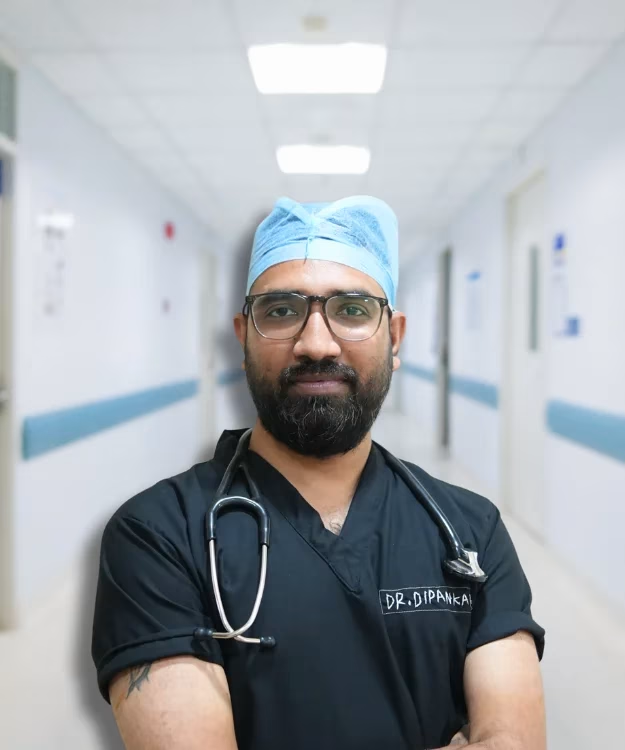
Dr. Dipankar Das
MBBS, MD, DM (CARDIOLOGY)
HOD, Cardiology Department
Patients seeking a TMT Test in Guwahati receive expert cardiac evaluation at Hayat Heart Centre, one of the region’s leading cardiac care centres.
Dr. Dipankar Das, MBBS, MD, DM (Cardiology), HOD – Department of Cardiology, is an experienced interventional cardiologist specializing in coronary artery disease, hypertension, heart failure, arrhythmias, preventive cardiology, coronary angiography, and advanced non-invasive cardiac diagnostics. He carefully interprets TMT results to identify underlying heart conditions and recommend personalized treatment plans.
At Hayat Heart Centre, TMT testing is supported by advanced diagnostic facilities, including ECG, 2D Echocardiography, Cath Lab, Holter Monitoring, Coronary Angiography, and comprehensive cardiac evaluation, ensuring accurate diagnosis and complete heart care under one roof.
Why Is a TMT Test Recommended?
A TMT is commonly recommended for individuals who have symptoms suggestive of heart disease or those who have multiple cardiovascular risk factors. The test helps doctors assess the heart’s response to exercise and determine whether further cardiac investigations or treatment are required.
Your doctor may recommend a TMT if you have:
- Chest pain or discomfort during activity
- Shortness of breath
- Palpitations
- Dizziness during exertion
- Suspected coronary artery disease
- High blood pressure
- Diabetes
- High cholesterol
- Family history of heart disease
- Need for pre-operative cardiac assessment
It is also used to evaluate exercise tolerance and monitor patients after cardiac treatment.
What Happens During a TMT Test?
A TMT is a safe and painless procedure performed under the supervision of trained healthcare professionals. During the test, electrodes are attached to your chest to monitor your heart’s electrical activity while you walk on a treadmill. The speed and incline gradually increase, allowing the doctor to observe how your heart responds to increasing levels of physical activity.
During the test, doctors monitor:
- Heart rate
- Blood pressure
- ECG changes
- Exercise capacity
- Symptoms such as chest pain or breathlessness
- Heart rhythm abnormalities
The test usually takes 15–30 minutes, including preparation and recovery.
A TMT is valuable for both diagnosis and prevention. It helps identify heart problems before they become severe and assists in planning the most appropriate treatment.
People who may benefit include:
- Individuals with chest discomfort
- People above 40 years with cardiovascular risk factors
- Patients with hypertension or diabetes
- Smokers
- People with obesity
- Athletes undergoing cardiac screening
- Individuals with a family history of heart disease
- Patients recovering from heart attack or angioplasty
Early cardiac screening helps reduce the risk of major heart complications through timely intervention.
Benefits of a TMT Test
A TMT provides valuable information about your heart’s performance during physical activity and helps cardiologists make informed treatment decisions.
Benefits include:
- Early detection of coronary artery disease
- Assessment of chest pain
- Identification of exercise-induced arrhythmias
- Evaluation of exercise tolerance
- Monitoring recovery after heart procedures
- Risk assessment before surgery
- Guidance for exercise and lifestyle recommendations
Combined with other cardiac investigations, a TMT forms an important part of comprehensive heart evaluation.
Preparing for a TMT Test
Proper preparation helps ensure accurate test results. Patients should follow their doctor’s instructions before undergoing the test.
Preparation tips:
- Wear comfortable clothing and walking shoes.
- Avoid heavy meals for 2–3 hours before the test.
- Inform your doctor about all medications you are taking.
- Avoid smoking and caffeine before the procedure if advised.
- Follow any medication instructions provided by your cardiologist.
The medical team will closely monitor you throughout the test to ensure your safety and comfort.
Choose Hayat Heart Centre for TMT Test in Guwahati
When it comes to diagnosing heart disease, early detection can save lives. Hayat Heart Centre offers comprehensive cardiac diagnostics with advanced technology, experienced cardiologists, and patient-centred care. Whether you are experiencing chest pain, breathlessness, or have risk factors for heart disease, a timely TMT Test in Guwahati can help detect problems before they become serious.
Under the expert guidance of Dr. Dipankar Das, patients receive accurate diagnosis, detailed cardiac assessment, and evidence-based treatment plans to support long-term heart health. Hayat Heart Centre is committed to delivering advanced cardiac care with compassion, precision, and excellence.
FAQ (Frequently Asked Questions)
Yes. A TMT is a safe, non-invasive test performed under continuous medical supervision. Your heart rate, blood pressure, and ECG are monitored throughout the procedure.
The test usually takes 15–30 minutes, including preparation, exercise, and recovery.
A TMT can indicate reduced blood flow to the heart caused by blocked coronary arteries. If abnormalities are detected, additional investigations such as coronary angiography may be recommended.
Patients can undergo a TMT Test in Guwahati at Hayat Heart Centre, under the expert supervision of Dr. Dipankar Das (MBBS, MD, DM – Cardiology), HOD, Department of Cardiology. Hayat Heart Centre also offers advanced cardiac diagnostics, including 2D Echocardiography, ECG, Holter Monitoring, Coronary Angiography, and Cath Lab services, ensuring comprehensive heart evaluation and expert cardiac care.